Why I keep returning to autistic women
Women whose autism went unrecognised for years, and what therapy can change once someone stops apologising for existing.
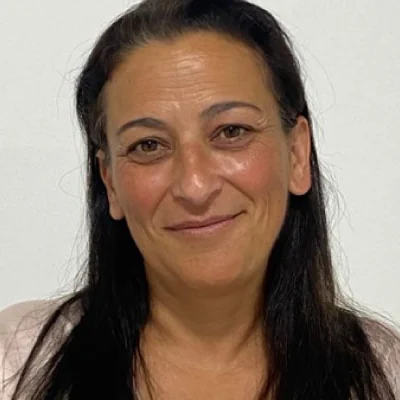 Reut Peleg
5 August 2026
4 min read
When people ask me what has shaped my career the most, they often expect me to mention a particular therapeutic approach or a research project.
Instead, I think of people.
Autism has accompanied me throughout almost my entire professional life. In the first half of my career, much of my work focused on children and their families. More recently, I have found myself increasingly drawn to working with adults, some of them women whose autism has gone unrecognised for many years.
These are some of the most complex, thoughtful and resilient people I have had the privilege of meeting.
They are also among the most misunderstood.
Many arrive after years, sometimes decades, of trying to understand why life has always seemed to require so much more effort than it appears to require for everyone else. They often describe a lifelong feeling of being different without being able to explain why. Some have become experts at adapting to the expectations of others, carefully observing social rules, rehearsing conversations, suppressing natural responses and constantly monitoring themselves in an attempt to fit in.
By the time they seek psychological support, they have frequently accumulated several previous diagnoses. Anxiety, depression and burnout are common. Some have also been diagnosed with personality disorders, psychotic disorders or other conditions that reflected important aspects of their presentation, but did not fully explain the broader picture. Others have spent years being described as manipulative, egocentric, difficult or "too sensitive", labels that often leave deep feelings of shame and self-doubt.
What interests me clinically is not simply establishing whether someone meets diagnostic criteria for autism. It is understanding the person sitting in front of me.
Many of the themes that emerge in therapy are universal: identity, belonging, flexibility, relationships, motherhood, work, self-worth and the exhausting effort of trying to live according to expectations that never quite seemed to fit. These conversations rarely focus only on autism. They focus on what it means to build a life while constantly feeling that you are translating yourself into a language that everyone else seems to speak naturally.
Motherhood is one of the areas where I have seen this most clearly.
For many autistic women, becoming a parent brings enormous joy, but it can also intensify existing challenges. The sensory demands, the unpredictability, the loss of routine, the emotional responsibility of caring for another person and the pressure to embody society's image of the "good mother" can create a profound internal struggle. It is not unusual for women to tell me that they coped reasonably well for years until they became mothers, and that it was only then that they realised how much energy they had always been spending simply trying to cope.
Perhaps this work resonates with me because some of these themes are familiar to me as well. While our experiences are undoubtedly different, I recognise aspects of the transition into motherhood, the tension between caring for others and preserving one's own identity, and the constant balancing of multiple roles. Those points of connection remind me that therapy is never about observing another person's life from a distance. It is about remaining curious, respectful and aware of both the similarities and the differences between our experiences.
Working with autistic women is deeply rewarding.
Not because therapy is easy. It rarely is. Progress is often gradual, and change can be difficult, particularly when someone has spent decades developing ways of surviving that once made perfect sense. Therapy frequently requires revisiting long-held beliefs about oneself, challenging years of self-criticism and learning that acceptance does not mean giving up on growth.
What continues to inspire me is witnessing what happens when someone no longer feels that they have to apologise for existing as they are.
The goal of therapy is not to make someone appear less autistic. It is to reduce unnecessary suffering, strengthen psychological flexibility, build meaningful relationships and help each person create a life that is consistent with their own values rather than with other people's expectations.
Again and again, I am reminded that behind every diagnosis is a person whose story is infinitely more important than any diagnostic label.
That, more than anything else, is why I continue to return to this work.